
Affordable Housing in Pakistan: The Path Forward
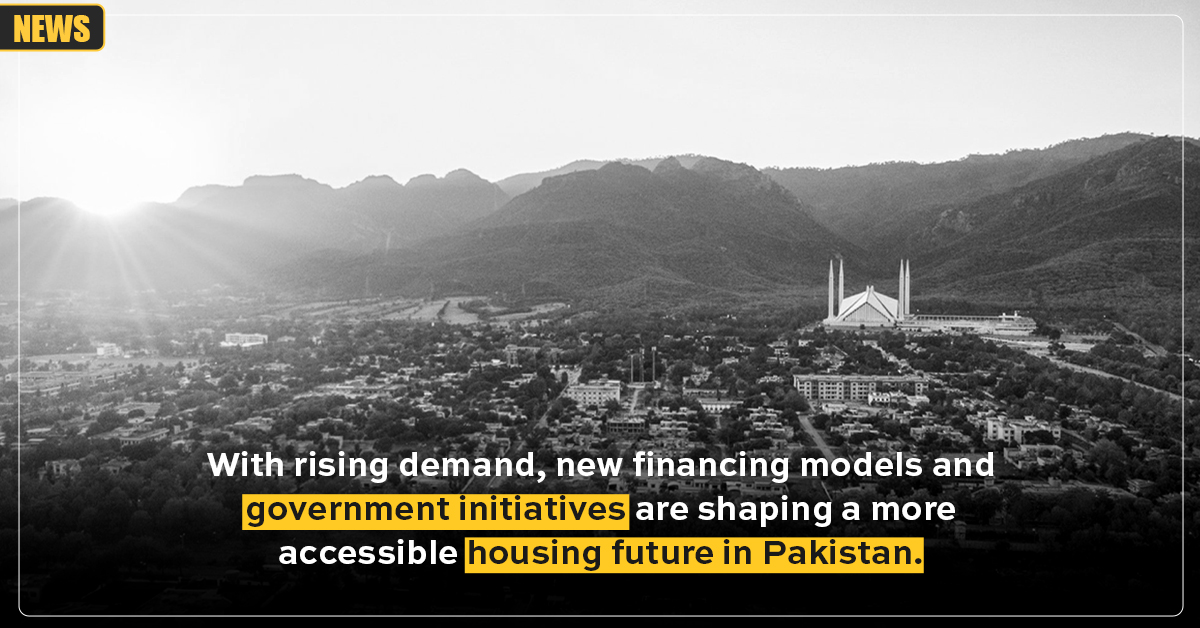
Islamabad: Pakistan is sitting on a housing crisis that is quietly growing larger every year. The country currently faces a shortfall of around 10 million housing units, with approximately 350,000 new units needed annually just to keep pace with demand. Behind these numbers are real families, people navigating rapid urbanisation, rising costs, and a formal housing finance system that, for most of the population, remains out of reach.
A home is not just four walls. It provides stability, security, and a foundation for financial well-being. Yet in Pakistan, access to affordable housing, particularly through formal channels, remains a serious challenge. Housing costs account for 25 percent of core inflation, which means the sector is not just a social issue but a macroeconomic one, closely tied to interest rates and the broader cost of living.
One of the biggest obstacles is how housing is financed. Across most emerging markets, formal financial institutions such as banks and microfinance providers contribute only a small share of housing finance, typically between 5 and 20 percent. In Pakistan, this gap is even wider. An estimated 80 to 85 percent of housing finance comes from informal sources, largely personal savings and developer arrangements. Mortgages from commercial banks account for a very small fraction of private sector credit, though when all housing-related lending is counted together, the figure rises to an estimated 7 percent of private sector credit. Several structural issues make it difficult to expand formal housing finance. Land records in many parts of the country are outdated and disputed, making it hard for banks to lend against property with confidence. Court delays in loan recovery cases add further risk for lenders, particularly when the loan amounts are small. Housing is also a provincial subject, meaning the pace of reform varies significantly from one province to another. Experts point to two reforms as especially important: the digitisation of land records to support transparent transactions, and the creation of a real estate regulatory authority to bring greater accountability to the developer market.
A deeper problem lies in the lack of long-term, fixed-rate financing. Without patient capital, funding that can be committed over 20 to 25 years at stable rates, it is very difficult to make monthly mortgage payments affordable for ordinary families, especially when interest rates are high or unpredictable. In more developed markets, pension funds and insurance companies play this role. In Pakistan, these pools of long-term capital are estimated at just 3 to 4 percent of GDP, compared to 13 percent in Bangladesh and 25 percent in India. Most of what does exist is invested in government securities, leaving little available for private housing finance.
There are, however, reasons for optimism. The Punjab government’s Apni Chhat Apna Ghar programme has demonstrated what is possible when the right model is put in place. The initiative has delivered interest-free financing for over 133,000 houses within 18 months, with a repayment rate of 99.6 percent, a remarkable result by any standard. It stands as proof that mass affordable housing is achievable in Pakistan, provided the right structures, partnerships, and political commitment are in place.
The path forward requires coordinated action across multiple fronts, stronger land systems, deeper capital markets, formal long-term financing channels, and greater involvement of pension funds and insurance companies in housing finance. These are not small changes, but they are the ones that will determine whether Pakistan can meaningfully close its housing gap in the years ahead.